.svg)


In a world where precision and reliability are paramount, engineers constantly seek methods to enhance product quality and minimize risks. One of the most effective tools in this pursuit is Failure Mode and Effects Analysis (FMEA). This structured approach not only anticipates potential pitfalls but also guides teams in developing robust solutions. Whether you're an engineer, quality control professional, or project manager, understanding FMEA can be a game-changer. It’s about foreseeing what might go wrong before it does, making it a vital component in product development and risk management strategies.
Ever wondered how some companies seem to sidestep catastrophic failures while others falter?
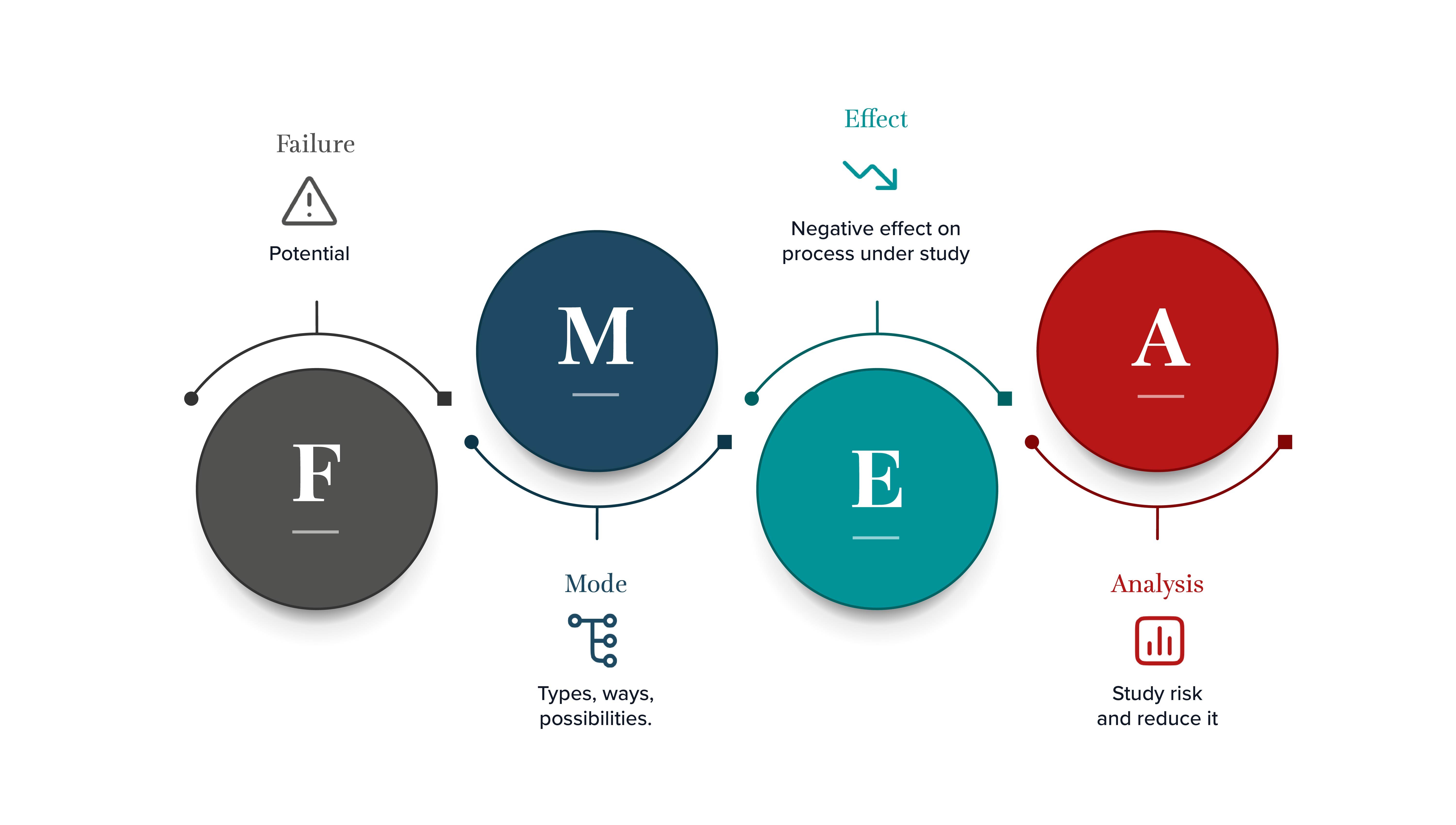
Failure Mode and Effects Analysis (FMEA) is a proactive methodology used to identify and evaluate potential failures within a product or process. By systematically analyzing failure modes, engineers can pinpoint where and how a system might fail, allowing them to understand the potential impact on system performance. This analysis is crucial for prioritizing risks based on their severity and likelihood, guiding teams to develop strategies that mitigate potential failures.
FMEA is not just about identifying what can go wrong; it’s about understanding the mechanisms of failure. By examining possible failure modes, engineers gain insights into the root causes of issues, enabling them to address these problems before they escalate. This structured approach ensures that all potential failures are considered, providing a comprehensive view of the risks involved.
Teams conducting FMEA assess the effects of each potential failure on the system's performance. This involves evaluating the impact on safety, functionality, and overall reliability. By understanding the consequences of different failures, engineers can prioritize which issues require immediate attention, ensuring that resources are allocated effectively.
The ultimate goal of FMEA is to guide teams in developing robust solutions that enhance product quality and reliability. By identifying potential failures early in the design process, engineers can implement changes that prevent these issues from occurring, resulting in a more reliable and safer product.
FMEA is a cornerstone of reliability engineering, playing a vital role in increasing product reliability by proactively addressing potential issues. Engineers rely on this analysis to reduce costly downtime and enhance product quality, preventing critical failures before they occur. This proactive approach not only saves money but also ensures that products meet the high standards expected by customers.
The importance of FMEA extends beyond just improving product reliability. It also plays a crucial role in safety and risk management. By identifying and mitigating risks, FMEA helps teams improve safety for both users and operators. This is particularly important in industries where safety is paramount, such as automotive and aerospace.
Regulatory compliance is another area where FMEA proves invaluable. By documenting risk assessment processes, companies demonstrate their commitment to quality and safety, meeting the stringent requirements set by regulatory bodies. This not only helps in gaining industry certifications but also builds trust with customers and stakeholders.
Furthermore, FMEA fosters a culture of continuous improvement and innovation. By continually assessing and addressing potential failures, companies can stay ahead of the competition, consistently delivering high-quality products that meet the evolving needs of the market. This culture of improvement encourages teams to think creatively and explore new solutions, driving innovation across the organization.
FMEA consists of several key components that work together to provide a comprehensive analysis of potential failures. The process begins with identifying failure modes, effects, and causes, forming the foundation of the analysis. By understanding how a system might fail, teams can assess the potential impact on performance and prioritize risks accordingly.
One of the most critical aspects of FMEA is the use of the Risk Priority Number (RPN) to quantify the risk level of each failure mode. The RPN is calculated by multiplying the severity, occurrence, and detection ratings, providing a numerical value that helps teams prioritize which failures require immediate attention. This structured approach ensures that resources are allocated effectively, addressing the most critical issues first.
Engineers document recommended actions and responsible parties for each risk, ensuring that all team members are aware of their roles in mitigating potential failures. This documentation serves as a living document that evolves with ongoing product developments, allowing teams to track progress and make adjustments as needed.
The assessment of severity, occurrence, and detection is a crucial part of the FMEA process. By evaluating these factors, teams can gain a deeper understanding of the risks involved and develop targeted solutions that address the root causes of failures. This comprehensive risk assessment tool provides valuable insights into the potential impact of different failures, guiding teams in developing effective mitigation strategies.
In the realm of FMEA, understanding different types of failure modes is essential for developing targeted solutions. Design failure modes occur when a product doesn't meet design specifications, potentially leading to suboptimal performance or safety issues. By identifying these failures early in the design process, engineers can make necessary adjustments to ensure the product meets all requirements.
Process failure modes arise from manufacturing or operational processes, often resulting in defects or inconsistencies. These failures can have a significant impact on product quality, making it crucial for engineers to identify and address them promptly. By analyzing manufacturing processes, teams can pinpoint potential risks and implement changes to prevent these failures from occurring.
During FMEA brainstorming sessions, engineers identify potential failure modes by examining each component and process involved in the product's lifecycle. This collaborative approach ensures that all possible risks are considered, providing a comprehensive view of the potential issues that may arise.
Teams categorize failure modes based on their impact on system performance, allowing them to prioritize which issues require immediate attention. By understanding the potential consequences of different failures, engineers can develop targeted solutions that address the most critical risks, ensuring that resources are allocated effectively.
FMEA is a versatile tool that finds application in various industries, each adapting it to suit their specific needs. In the automotive industry, FMEA plays a crucial role in enhancing vehicle safety and reliability. By identifying potential failure modes in components such as brakes and airbags, engineers can develop solutions that prevent accidents and ensure compliance with safety standards.
Aerospace engineers apply FMEA to ensure compliance with stringent safety standards, critical in an industry where even minor failures can have catastrophic consequences. By analyzing potential risks in systems such as avionics and propulsion, teams can implement changes that enhance safety and reliability, ensuring that aircraft meet all regulatory requirements.
Electronics manufacturers rely on FMEA to prevent product malfunctions, ensuring that devices such as smartphones and laptops meet customer expectations. By identifying potential failure modes in components such as circuit boards and batteries, engineers can implement changes that enhance product quality and reliability.
Healthcare professionals use FMEA to improve patient safety and care quality, identifying potential risks in medical devices and procedures. By addressing these risks, teams can enhance patient outcomes and ensure compliance with healthcare regulations, building trust with patients and stakeholders.
The food industry benefits from FMEA by ensuring product quality and safety, identifying potential risks in manufacturing processes and supply chains. By implementing changes that address these risks, companies can enhance product quality and meet regulatory requirements, ensuring that consumers receive safe and reliable products.
In the mining and oil & gas industries, FMEA is used to evaluate how physical equipment and assets can fail, and what that means for safety, production, and cost. This analysis often extends into FMECA (adding a criticality ranking) and feeds directly into Reliability Centered Maintenance (RCM), helping maintenance teams determine whether preventive, condition-based, or run-to-failure strategies best fit each asset's failure modes. This same data also supports shutdown and turnaround planning, helping teams prioritize inspection scopes around the failure modes most likely to cause unplanned downtime.
Implementing FMEA offers numerous benefits to companies seeking to enhance product quality and reliability. By proactively addressing potential failures, FMEA reduces the likelihood of costly product recalls and repairs, saving companies both time and money. This proactive approach ensures that products meet the high standards expected by customers, enhancing customer satisfaction and loyalty.
FMEA enhances team collaboration by involving diverse expertise in the risk assessment process. By bringing together cross-functional teams, companies can gain a comprehensive view of potential risks, allowing them to develop targeted solutions that address the most critical issues.
Implementing FMEA fosters a proactive approach to problem-solving, encouraging teams to think creatively and explore new solutions. By continually assessing and addressing potential failures, companies can stay ahead of the competition, consistently delivering high-quality products that meet the evolving needs of the market.
Organizations gain a competitive advantage by consistently improving product quality through FMEA. By demonstrating their commitment to quality and safety, companies build trust with customers and stakeholders, enhancing their reputation and market position.
Successful FMEA implementation requires commitment from all levels of the organization, from executives to team members. By fostering a culture of continuous improvement and innovation, companies can ensure that FMEA becomes an integral part of their product development and risk management strategies.
Teams should regularly update FMEA documents to reflect product changes, ensuring that all potential risks are considered as the product evolves. This living document allows teams to track progress and make adjustments as needed, ensuring that the analysis remains relevant and effective.
Consistent training ensures that team members understand FMEA processes and tools, allowing them to contribute effectively to the analysis. By providing ongoing training and support, companies can ensure that their teams are equipped with the knowledge and skills needed to conduct comprehensive FMEA.
Cross-functional collaboration enhances the effectiveness of FMEA outcomes, allowing teams to gain a comprehensive view of potential risks. By bringing together diverse expertise, companies can develop targeted solutions that address the most critical issues, ensuring that resources are allocated effectively.
Clear communication of FMEA results fosters a culture of transparency and accountability, ensuring that all team members are aware of their roles in addressing potential failures. By sharing results and recommendations, companies can ensure that all team members are aligned in their efforts to enhance product quality and reliability.
In the fast-paced world of engineering, FMEA stands out as an invaluable tool for enhancing product quality and reliability. By identifying and addressing potential failures, companies can prevent costly recalls and repairs, ensuring that their products meet the high standards expected by customers. With its applications spanning various industries, FMEA fosters a proactive approach to problem-solving, encouraging teams to think creatively and explore new solutions. By implementing best practices and fostering a culture of continuous improvement, companies can leverage FMEA to gain a competitive advantage and build trust with customers and stakeholders. Contact Prometheus Group to see how we can help.
Failure Mode and Effects Analysis (FMEA) is a systematic method for identifying potential failure modes in a system, product, or process, and determining their effects on performance. It helps engineers anticipate and prevent failures before they occur.
FMEA is important for engineers because it helps identify and prioritize potential failure modes, leading to improved product reliability, safety, and performance. By proactively addressing potential issues, engineers can save time and resources in the long run.
FMEA is a risk-prioritization tool often used alongside broader process-improvement frameworks like Six Sigma and Lean. While other framworks focus on process improvement, FMEA is more targeted towards risk mitiagation and prevention.
The key steps in conducting an FMEA include:
Identifying potential failure modes
Determining the effects of each failure mode
Assigning a severity, occurrence, and detection rating
Calculating the Risk Priority Number (RPN)
Developing and implementing corrective actions to reduce risks
Engineers can implement FMEA in their projects by following a systematic approach, involving relevant stakeholders, and using appropriate tools and techniques. By integrating FMEA into the design and development process, engineers can proactively address potential issues and improve the overall quality of their projects.
See the Prometheus Platform in Action
Discover how you can streamline your asset management processes and maximize your ROI.